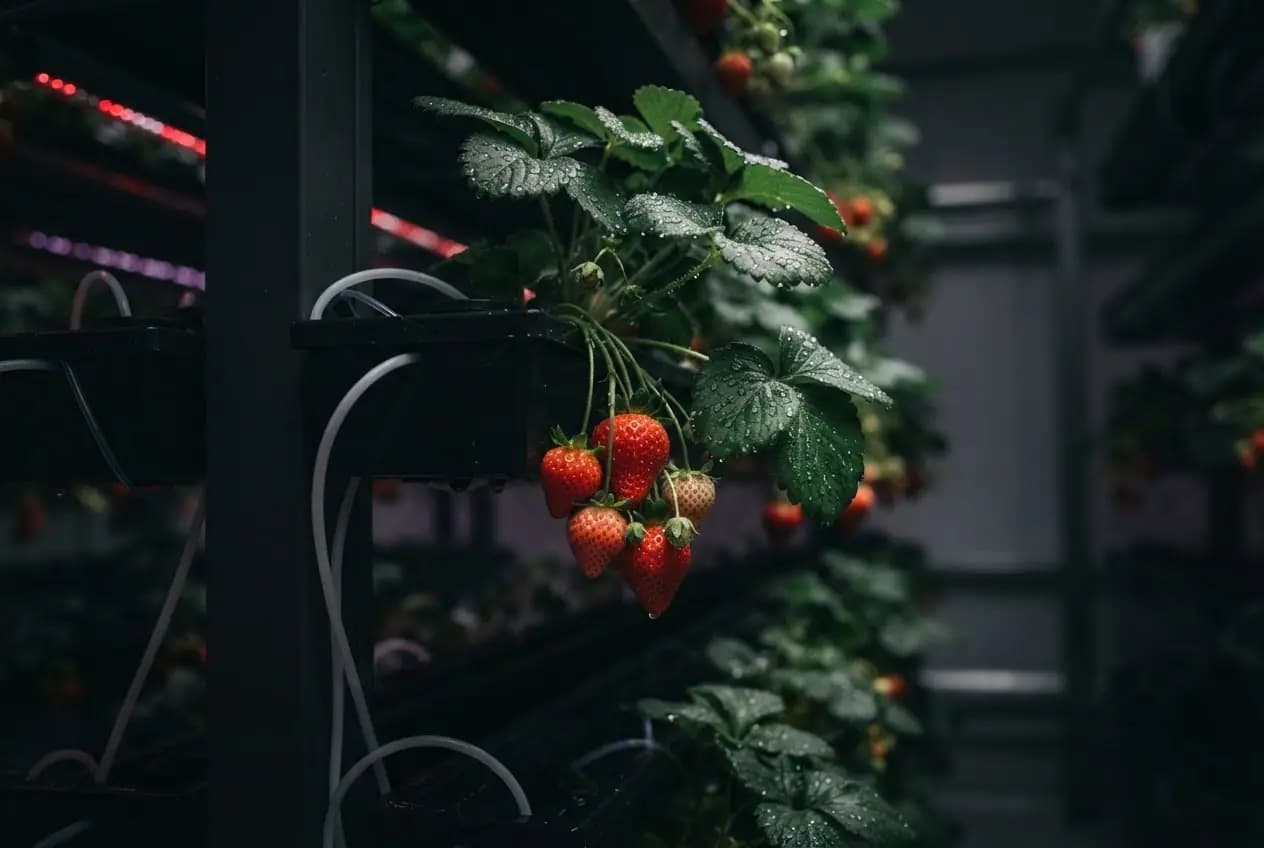
Cultivation • LAB-05Estimasi Baca: 2 Menit
Fisika Siklus Fotoperiode di Pertanian Lingkar Tertutup
 Dr. Elena RostovaSenior Cultivation Scientist, Soofresh Lab
In the realm of modern agriculture, sunrise has transcended its natural occurrence, evolving into a meticulously crafted lighting protocol, fine-tuned to the millisecond. Unlike conventional farming, where crops are at the mercy of geographical constraints and seasonal variations, closed-loop vertical farming empowers us to design optimal growth conditions, establishing reliable growth metrics that are insulated from external disruptions.
At our facility located at sea level in West Jakarta, the cultivation of exquisite alpine strawberries necessitates the precise replication of high-altitude conditions. This process extends beyond mere temperature control; the essence of vertical farming innovation lies in our ability to manipulate plant photomorphogenesis through tailored light spectrum adjustments, mirroring the atmospheric conditions and solar angles characteristic of elevations thousands of meters above sea level.
Reimagining Sunrise: Advanced Spectrum Control
Our bespoke LED systems do not merely operate on a binary on/off mechanism. They orchestrate a gradual transition from red to far-red light over a 45-minute dawn simulation. By enhancing the far-red light ratio (730nm) during these critical periods, we activate shade-avoidance mechanisms that foster robust leaf growth and optimize stomatal function prior to the onset of peak photosynthesis. This gradual increase equips the plants for the subsequent influx of high-intensity blue and red light, facilitating effective carbon uptake while minimizing cellular stress.
“By dissociating sunrise from the Earth’s rotation, we engineer metabolic cycles that maximize sugar production in half the typical duration.”
— Cultivation Engine Report #4627
The manipulation of dark periods is equally crucial. Conventional outdoor light cycles are dictated by planetary movements, but our closed-loop systems utilize precisely calibrated 4-hour micro-rest phases. These carefully timed dark intervals promote the swift movement of carbohydrates from leaves to fruits, ensuring optimal nutrient concentrations and superior Brix levels—resulting in a distinctive sweetness that traditional outdoor farming cannot reliably achieve.
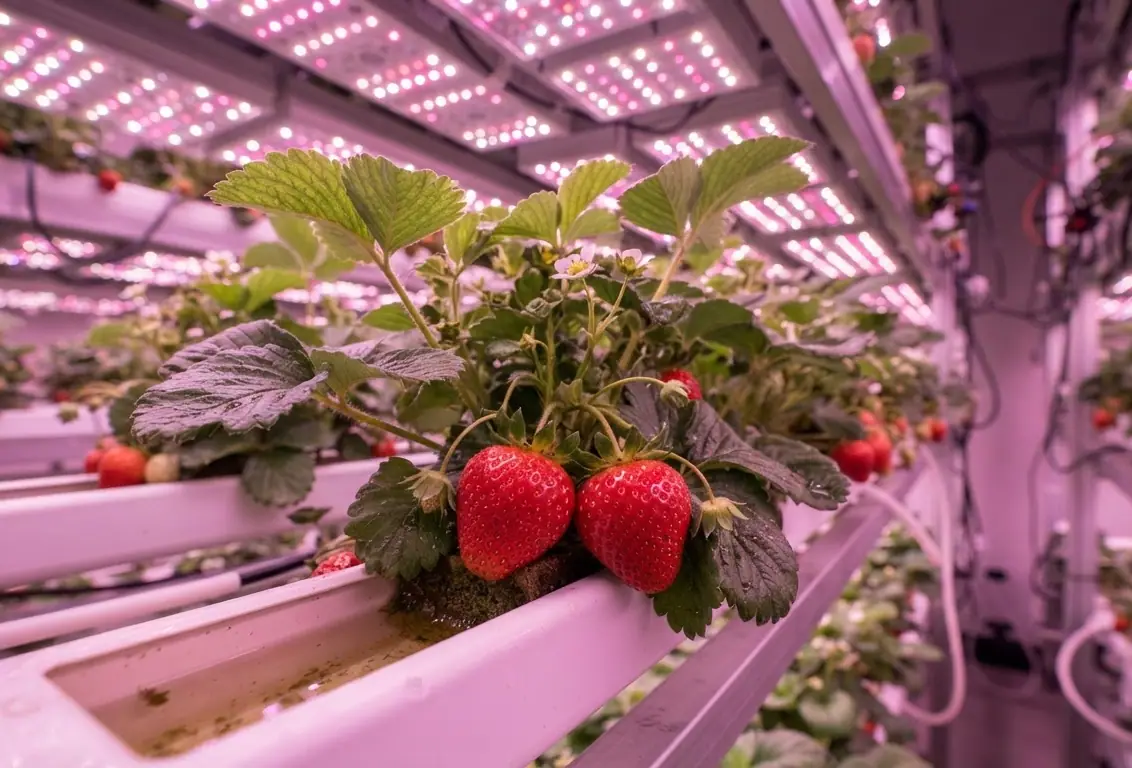
The Metric: Every Result, by Design
Transitioning from a resource-limited agricultural model to a meticulously engineered closed-loop biosystem enables unparalleled consistency. There are no pesticide applications, no unexpected droughts, and no dependence on high-altitude soil characteristics. By treating temperature, humidity, and light as quantifiable parameters, we create a replicable formula that can be implemented globally—demonstrating that the future of farming is not tied to land, but to a comprehensive design framework.
In conclusion, the innovative approaches we have adopted in controlled environment agriculture not only redefine traditional farming practices but also pave the way for a sustainable future. By harnessing the power of precise light manipulation and optimized dark intervals, we can significantly enhance the quality and yield of our crops. As we continue to explore the intricate dynamics of photoperiod management, our commitment to advancing agricultural science remains unwavering, ensuring that we meet the growing demands of global food security while preserving the integrity of our ecosystems.
Jurnal lainnya.
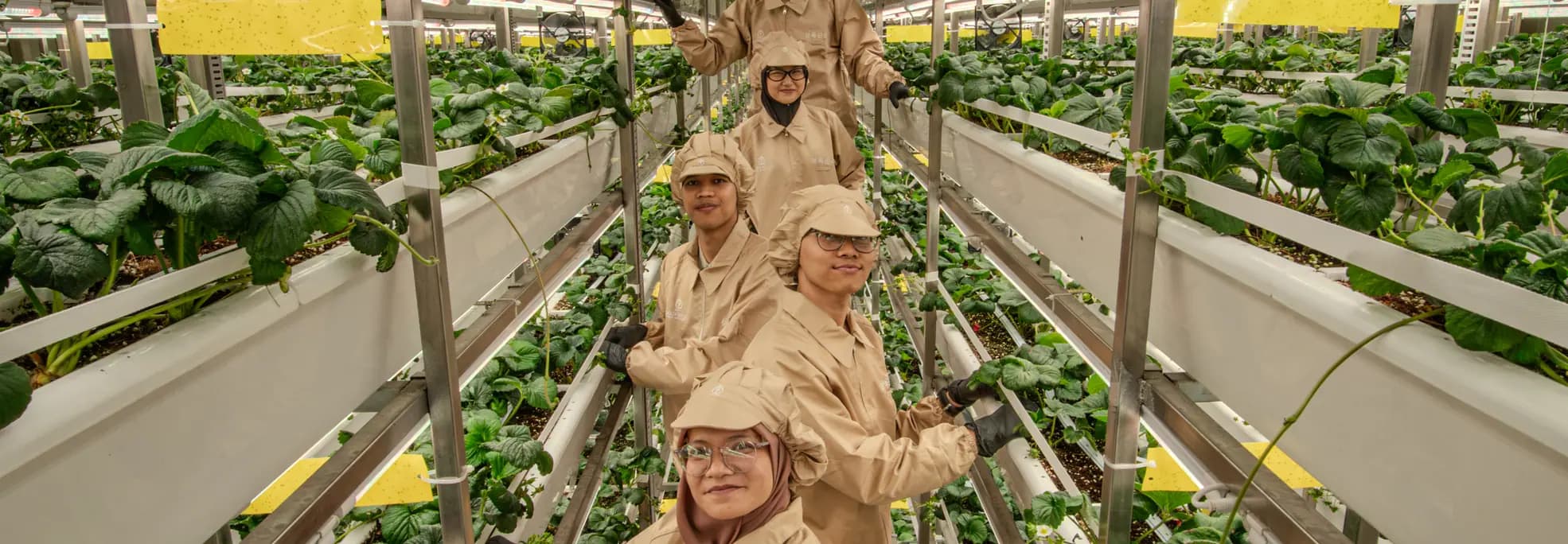
Lowongan Terbuka - Selamat Datang di Soofresh
Dengan senang hati kami umumkan bahwa kami sedang mencari anggota tim baru untuk bergabung dengan tim kami yang dinamis! Ini kesempatan luar biasa bagi siapa pun yang ingin berkontribusi pada misi kami sambil mengembangkan karier.
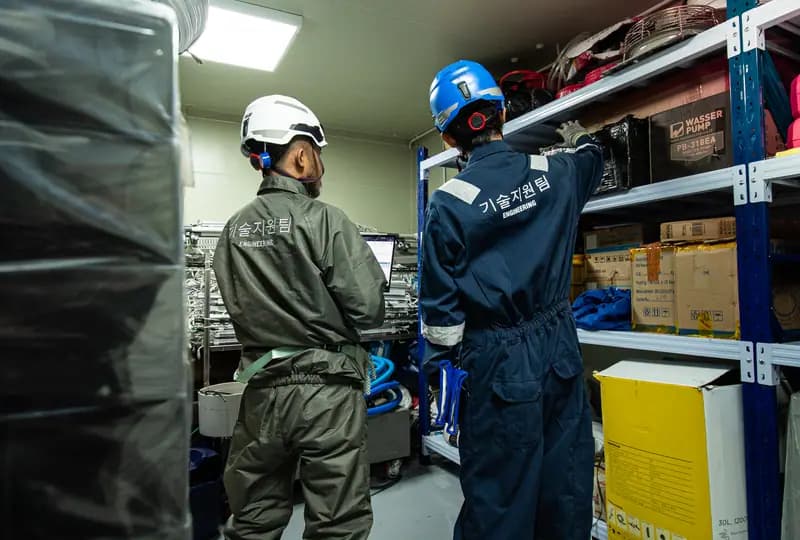
Perangkat Lingkungan Baru
Para insinyur kami memasang generasi baru perangkat iklim dan sirkulasi udara, mempersempit rentang suhu dan kelembapan tempat setiap tanaman tumbuh.
Jendela panen di luar musim
Menjadwalkan panen di bulan-bulan saat stroberi Indonesia tidak tersedia, dan menjaga kualitas tetap stabil.